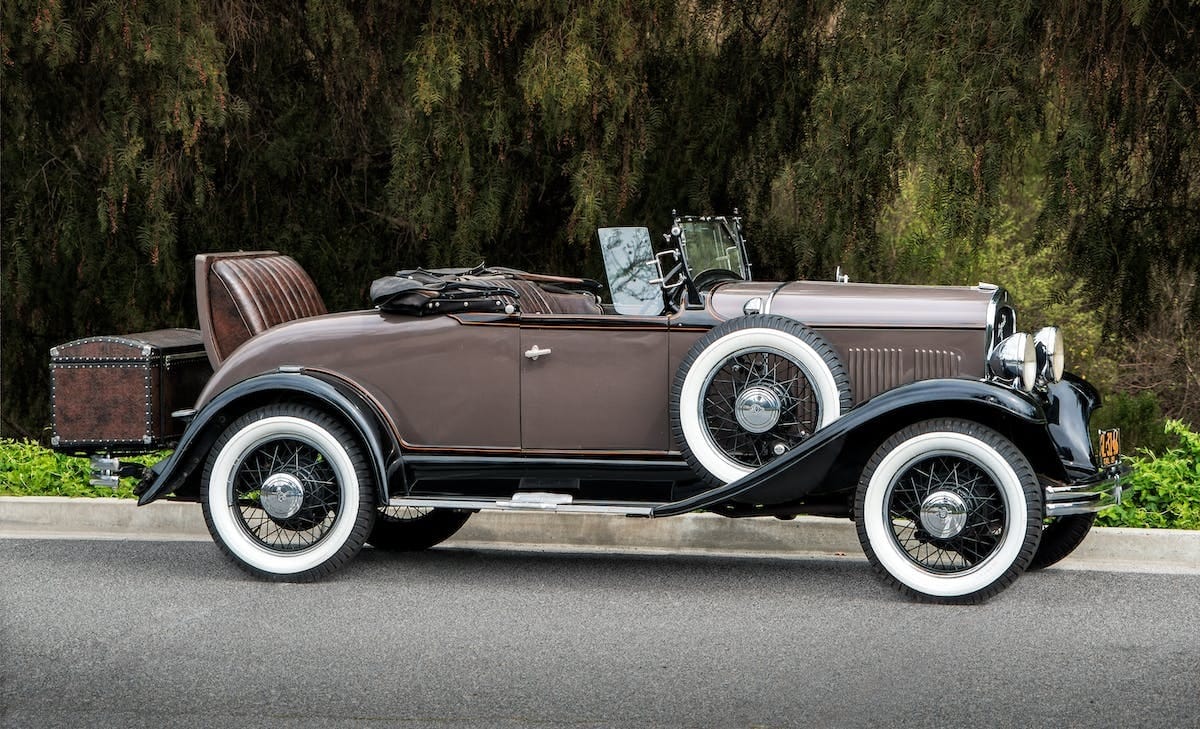
The history of a car can reveal a lot of crucial information for a potential buyer. This can include maintenance records, past accidents, recalls, and much more. For a buyer, knowing these details can make the difference between a good purchase and a potential financial disaster. So, how can you trace a car’s history? There are four essential tools that can help in this task. These tools provide detailed information that can aid in making an informed decision when buying a used car.
The genealogy of vehicles: a challenge to tackle
In the quest to trace a car’s history, factory archives play a crucial role. These valuable sources of information can provide details about the manufacturing and initial equipment of the vehicle, as well as its original owner. One of the most reputable tools in this area is Histovec Germany.
Histovec Germany is an online platform that offers direct access to the archives of many German car brands such as BMW, Audi, or Volkswagen. With this resource, it becomes possible to trace the history of a vehicle back to its origins.
By simply entering the VIN into the intuitive interface of Histovec Germany, you will be instantly confronted with a wealth of crucial information about your car: production date, exact technical specifications, and any recalls.
It is important to note that there may be some cost associated with fully utilizing the features offered by Histovec Germany. A pricing structure based on different packages may apply to gain full access to the historical service.

Factory archives: a treasure trove of information
In our quest to trace the complete history of a car, we cannot overlook the importance of maintenance records. These valuable documents can be a real treasure trove of information about the maintenance and repairs performed throughout the vehicle’s life.
Maintenance records are usually kept by conscientious owners who wish to preserve the value and reliability of their car. They meticulously record all maintenance operations, whether it be regular oil changes, filter replacements, or periodic inspections at the dealership.
It should be noted that these records are not always available for all vehicles. Some negligent owners may have omitted or lost these valuable written traces. In this case, it may be helpful to contact the last known owner directly to check if they still have this information.
To access official records from manufacturer-approved workshops, you can also turn to a specialized service such as ‘Carfax’ or ‘AutoCheck’. These platforms are able to access a vast network of databases where information related to repairs performed in various authorized garages is stored.
By using these professional tools, you will be able to obtain a detailed overview of the vehicle’s maintenance tracking compared to the recommended manufacturer’s logbook. This way, you will know if the vehicle has been properly maintained and if repairs have been carried out by qualified professionals.
It is important to note that the availability of these records may vary depending on the country and the car manufacturer. Some manufacturers are more transparent than others regarding the transmission of information related to repairs made on their vehicles.
To trace the complete history of a car, be sure to consult the maintenance records. These documents provide a detailed view of maintenance operations and allow you to assess the care given to the vehicle throughout its life. In addition to the other tools mentioned earlier, they are a valuable source for making an informed decision when buying or selling a car.
Maintenance records: a valuable source
To complete our exploration of a car’s history, we now embark on a journey through time to search for its past owners. This quest can be fascinating and revealing, as each person who owned the vehicle may have added their own story to it.
The first step is to consult official documents such as the registration certificate or the title. These valuable papers can provide information about the former owners of the vehicle, including their name, address, and sometimes even their phone numbers. It is important to note that this information is often limited to the last two registered owners.
If you wish to go further back in time to discover the complete history of the vehicle, you can turn to specialized services that offer in-depth research on past owners. These companies typically have privileged access to national and international databases to trace the entire journey of the vehicle.
It is also possible to use websites dedicated to the sale and purchase of used cars. Some offer a feature that allows users to report changes in ownership when they sell their car. By exploring these past listings, it is possible to establish a chronological list of the different holders of the vehicle.
Be sure to remain vigilant regarding the reliability and accuracy of the information gathered. Data entry errors or omissions are always possible, and it is best to cross-reference the obtained data with other sources to get a more accurate picture.
Let us not forget the essential role of social networks in our quest for information about the past owners of a car. It may be wise to search online for the specific model of the vehicle and browse various forums or specialized groups where enthusiasts share their experiences and know-how. Who knows, you might come across a former owner who would be happy to share interesting anecdotes about the vehicle’s history!
Tracing the complete history of a car is a complex but rewarding task. By combining different sources such as official documents, specialized services, and smart use of online resources, be sure to verify the history of a used vehicle.
In our next section, we will explore modern technology that has transformed the way we can trace car histories: automotive blockchain.
Searching for past owners: a journey through time
In the current context of digiitalization and increased transparency, automotive blockchain emerges as an innovative solution for tracing car histories. This revolutionary technology uses a decentralized and secure system that records all transactions related to a vehicle in interconnected blocks.
The blockchain thus allows for a complete traceability of a car’s journey, from its manufacturing to its use by different owners. Each transaction is recorded permanently and immutably, ensuring the integrity of the information and preventing any falsification or manipulation.
The advantages offered by automotive blockchain are numerous. It facilitates the verification of a vehicle’s authenticity by providing a transparent and tamper-proof history. Buyers can thus trust the information provided by sellers and avoid potential fraud.
Thanks to this technology, it becomes possible to precisely track all maintenance performed on the vehicle over time. Operations such as oil changes, major repairs, or accident history are clearly recorded in the blockchain, making it easier for any future owner to know the general condition of the vehicle they are considering purchasing.
However, the effective implementation of automotive blockchain requires collaboration among several stakeholders: car manufacturers, dealers, garages, and administrations.