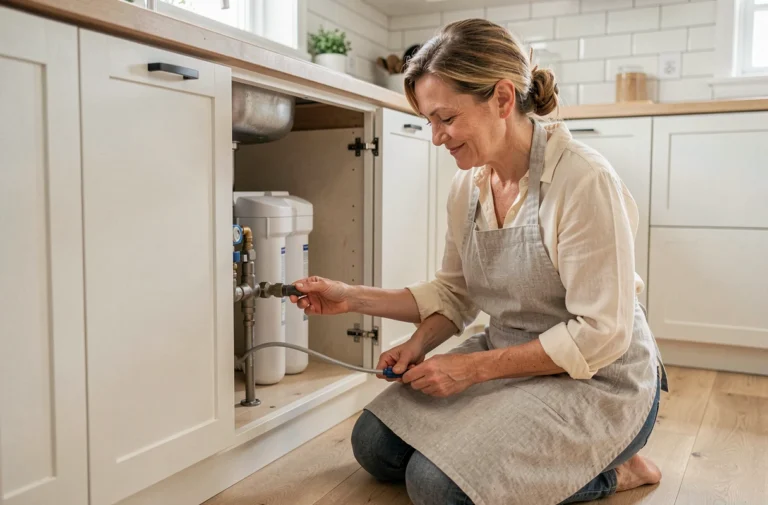
The French real estate market is undergoing a phase of restructuring. After years of nearly continuous price increases and a period of historically low borrowing rates, several simultaneous changes are redefining access to housing, construction methods, and household priorities. Understanding these transformations requires distinguishing between what pertains to the cyclical nature of the market and what constitutes a structural change in the sector.
Climate adaptation of housing: a distinct issue from energy renovation
Energy renovation has been a topic of public debate for over a decade. Wall insulation, window replacement, heating system changes: these works aim to reduce energy consumption in winter. Adapting to extreme heat is a different issue, still poorly addressed by existing measures.
The preferred solutions are primarily passive: external solar protections, air circulators, enhanced roof insulation. These measures help limit overheating without resorting to air conditioning, the widespread use of which would increase electricity consumption and greenhouse gas emissions.
The friction point lies in episodes of hot nights. When the outside temperature does not drop sufficiently to allow for natural cooling of buildings, passive solutions reach their limits. Active cooling may then become necessary.
The trade-off remains underexplored: reducing reliance on air conditioning while ensuring habitability during heat peaks. The stakes go beyond simple thermal performance to touch on public health and urban planning.
Those wishing to delve deeper into the sector’s prospects can explore the La Télé de Gauche website, which regularly addresses these topics.
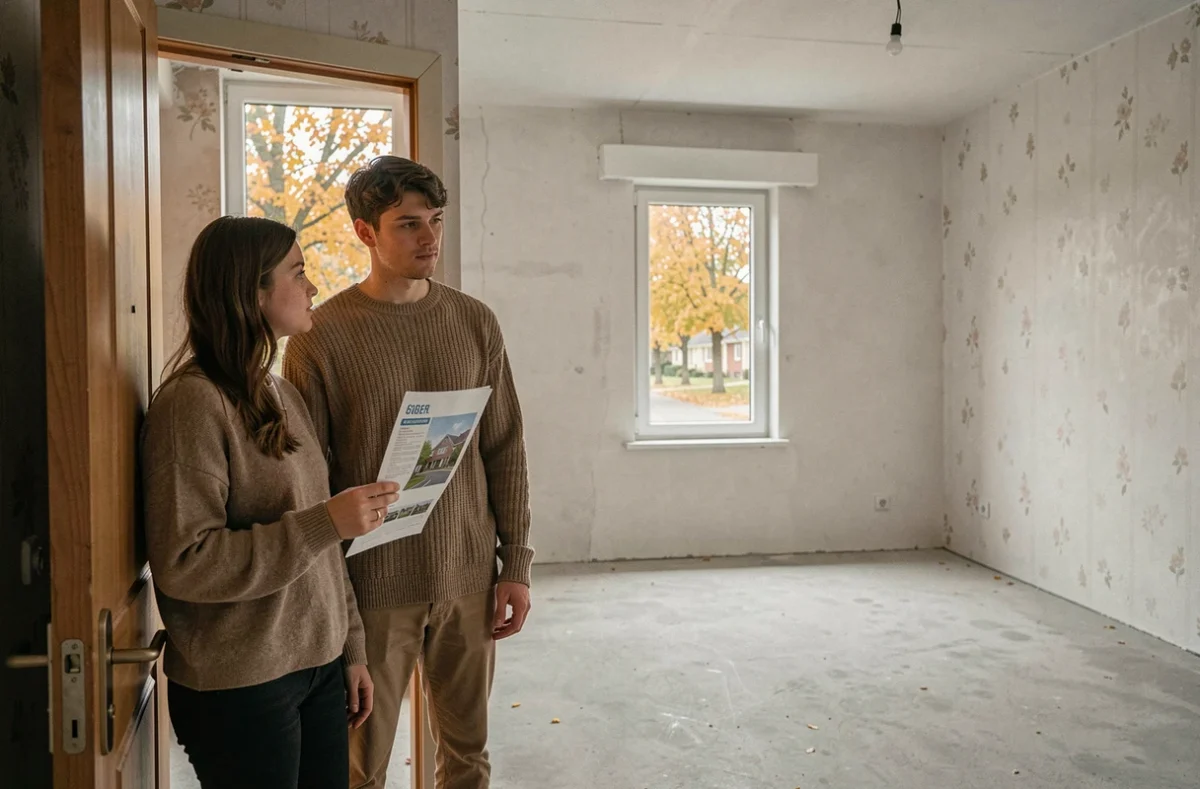
Reviving construction: the challenges of new housing and the existing stock
The new housing sector is emerging from a particularly difficult period, marked by a collapse in sales of properties in future state of completion and cancellations of programs. Real estate developers are facing a combination of high construction costs, less favorable borrowing rates than before, and weakened demand.
Vacant housing: an alternative to construction
Building alone is not enough to solve the shortage if a portion of the existing stock remains unoccupied. The government is conducting outreach campaigns to contact owners of vacant properties to encourage them to bring their assets back to the market. This approach has a direct environmental advantage: mobilizing an existing home costs fewer resources than building a new one.
Residential vacancy can be explained by various reasons (unresolved inheritances, the cost of bringing properties up to standard, fiscal uncertainties). The results of these campaigns remain to be measured in the long term.
Decentralization of housing: transferring powers to local authorities
An ongoing project aims to transfer more housing policy powers to local authorities. This evolution stems from an observation: housing needs vary significantly across territories. A metropolitan area under land pressure and a rural municipality facing the decline of its town center do not call for the same responses.
Decentralization could allow intercommunalities to adapt urban planning rules, renovation aids, and tax incentives to local realities. The risk, in return, is a fragmentation of housing policies and a widening of inequalities between territories with technical and financial resources and those lacking them.

Living environment and priorities of French households: beyond the price per square meter
The Ipsos survey conducted for leboncoin in 2026 among 6,000 people reveals that the French evaluate their habitat well beyond the housing itself. Housing remains the priority (97% consider it very or fairly important), but the environment around the municipality (94%) and the neighborhood (92%) weigh almost equally in the residential equation.
This result has concrete implications for planning policies. Building housing without addressing the quality of public spaces, access to services, or local mobility only meets part of the demand. Local authorities that integrate these dimensions into their urban projects have a lever to attract and retain residents.
Summer comfort and residential choices
Climate adaptation intersects with the question of living conditions here. A housing unit poorly adapted to heat episodes loses its usability value even before it loses its market value. Buyers and renters are gradually incorporating summer thermal comfort into their choice criteria, alongside winter energy performance and location.
The French real estate market is not undergoing a simple cyclical correction. The convergence of climate constraints, pressures on purchasing power, and territorial restructuring imposes trade-offs that neither new construction nor renovation alone can resolve in isolation. Financing remains the last friction point: the funds needed for adaptation to heatwaves add to those already planned for energy renovation and the production of social housing.