Independent sports are gaining ground over club-based activities, cultural outings remain closely linked to education level and location, and hands-on activities are making a strong comeback after years of screen dominance. These three underlying trends are reshaping how people in France spend their leisure time far more decisively than seasonal fads.
Independent sports versus club-based activities: a structural shift in leisure in France
The clearest trend in sports participation in France can be summed up in one sentence: people are increasingly exercising independently rather than joining a club. Running, home workouts, yoga apps, hiking on your own—these informal activities are growing, while federation memberships are stagnating or declining in several sports.
This shift has direct implications for urban planning. Local authorities are investing in neighborhood multi-sport courts, open-access fitness trails and adaptable outdoor facilities. The traditional model of a gym reserved for clubs is giving way to open facilities that can be used without signing up or booking a time slot.
For industry players, this means people in France are not spending less on sport, but spending differently: on digital subscriptions, personal equipment and technical clothing. Traditional gyms have not disappeared, but they now coexist with an ecosystem of individual activities that specialist media such as tzmag.fr document as the market evolves.
Cultural outings in France: the influence of education and location
Access to cultural outings remains strongly correlated with education level and the size of the local urban area. People living in major cities go to the cinema, concerts, theater and libraries more often than those in small towns or rural areas. This finding, documented by the Ministry of Culture, is nothing new, but it persists despite efforts to make culture more accessible.
The post-Covid period has added another layer of complexity. In January 2022, at the height of the fifth wave, 66% of people in France said they preferred outdoor activities, while 56% cited fear of contracting the virus as a reason to avoid going out. Not all of these habits have faded.
Monuments, museums and performances: different trajectories
It would be inaccurate to speak of a uniform cultural rebound. Attendance at historic monuments and museums is not following the same trajectory. Heritage sites are benefiting from domestic tourism, while museums have to contend with more unpredictable audiences and changing expectations, particularly around digital experiences.
Museums are also exploring artificial intelligence to enhance interpretation or personalize visitor routes. The rules governing the use of these tools remain unclear, creating a gap between technological experimentation and the ethical or legal framework.
A return to hands-on activities: making things as an antidote to screen fatigue
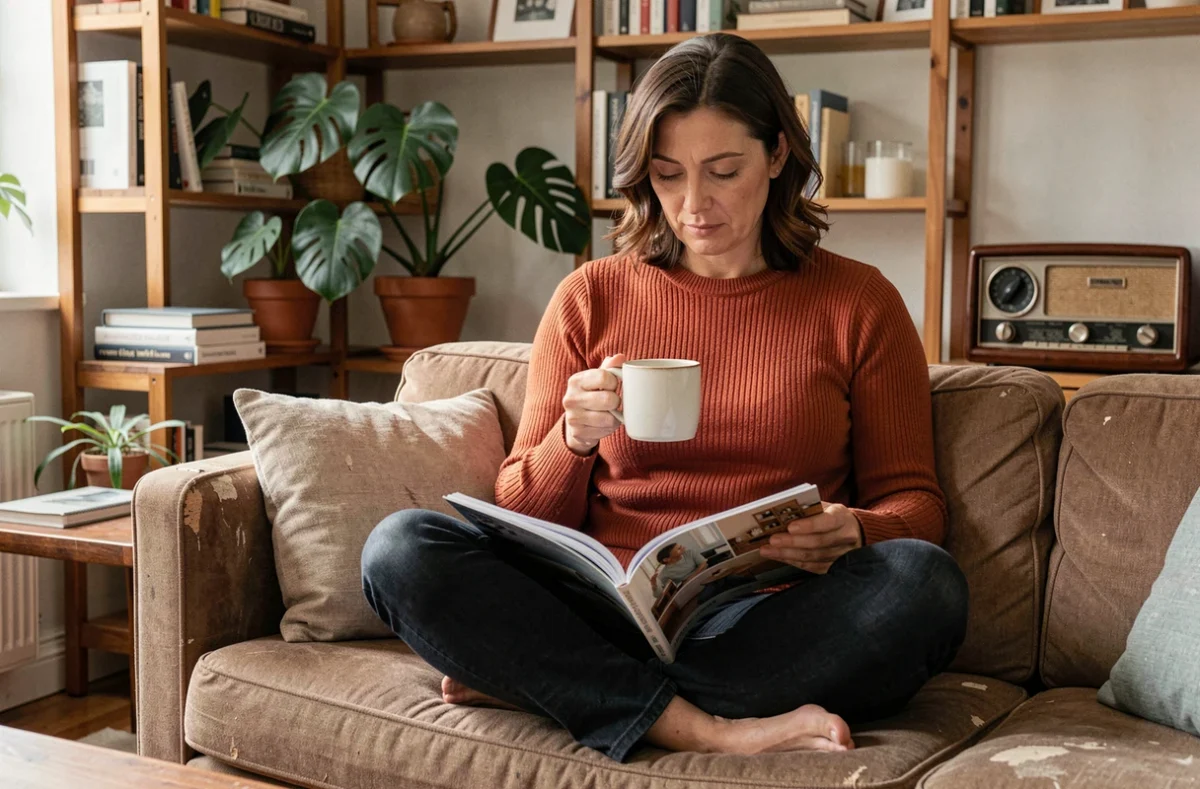
Lockdowns acted as a catalyst, but the trend was already underway: hands-on and creative activities are reclaiming a central place in everyday life. Sewing, pottery, gardening, elaborate cooking and DIY projects are no longer niche hobbies. They reflect a need for tangible experiences after years of intensive digital consumption.
- Gardening, including in urban settings such as balconies and community gardens, is attracting increasingly younger people looking for a direct connection with nature.
- Group creative workshops—ceramics, woodworking and embroidery—combine leisure with social connection, often organized by local associations or community spaces.
- Home cooking, boosted by TV shows and social media, has become an everyday pastime rather than something reserved for the weekend.
This trend also has an economic dimension: arts and crafts retailers and tutorial platforms are capturing a growing share of household leisure budgets. Time spent on screens for pure entertainment is giving way to activities that produce something tangible.
Cultural habits among young people in France: a generational shift
Young adults consume no less culture than older generations, but they do so differently. Reading illustrates this shift: among under-30s, print books are losing ground to podcasts, audiobooks and short-form content on social media. Cultural content is fragmented, mobile and often free.
Digital leisure has become widespread among young people and couples with children, according to CREDOC’s observations following the Covid period. Music and video streaming, online gaming, and creative communities on platforms such as TikTok and Discord form a cultural ecosystem alongside traditional institutions.
Sustainability and commitment: new factors in choosing how to spend free time
Another generational marker is the growing role of sustainability in leisure choices. Young people in France are increasingly opting for low-carbon activities, local events and second-hand goods, including clothing, sports equipment and musical instruments. Leisure is no longer separate from environmental values.
- Festivals and cultural events that demonstrate a commitment to sustainability attract a more loyal and engaged audience.
- Local tourism, a direct legacy of public health restrictions, has become part of everyday habits: hiking, exploring local heritage and agritourism.
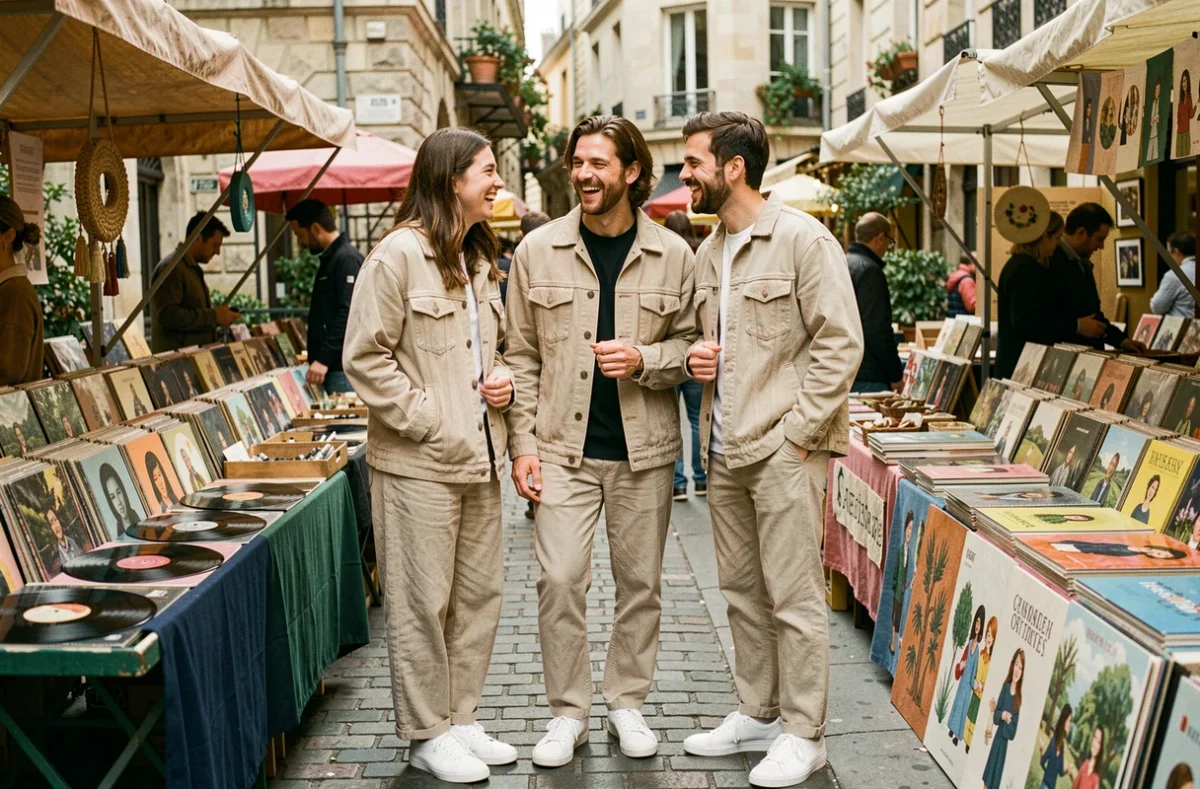
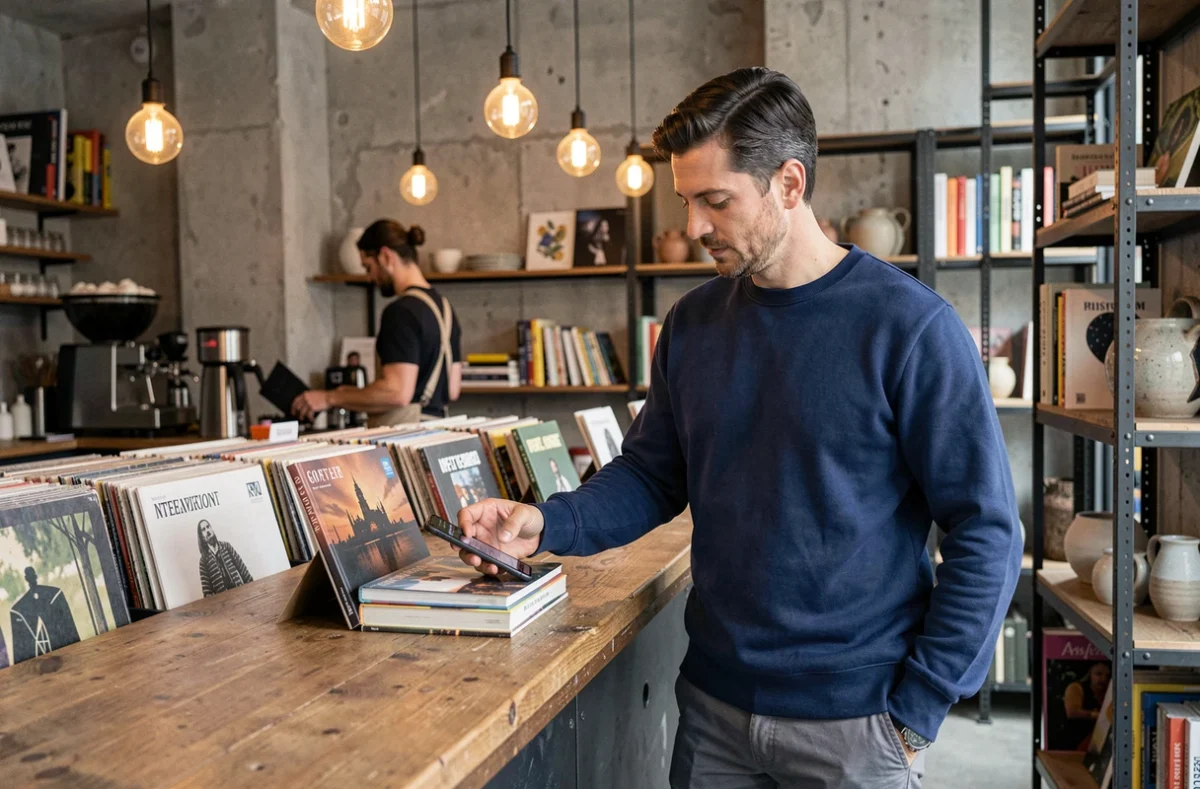
- The second-hand leisure market—covering sports equipment, board games and vinyl records—is forming a growing economic segment.
The trends reshaping culture and leisure in France are not passing fads. Independent sports, regional inequalities in access to culture, a return to making things and generational shifts in habits: these four forces reinforce one another. Everyday life in France is being reorganized around a constant trade-off between screens and physical experiences, between passive consumption and active creation. More than any ranking of activities, this trade-off defines today’s leisure landscape.