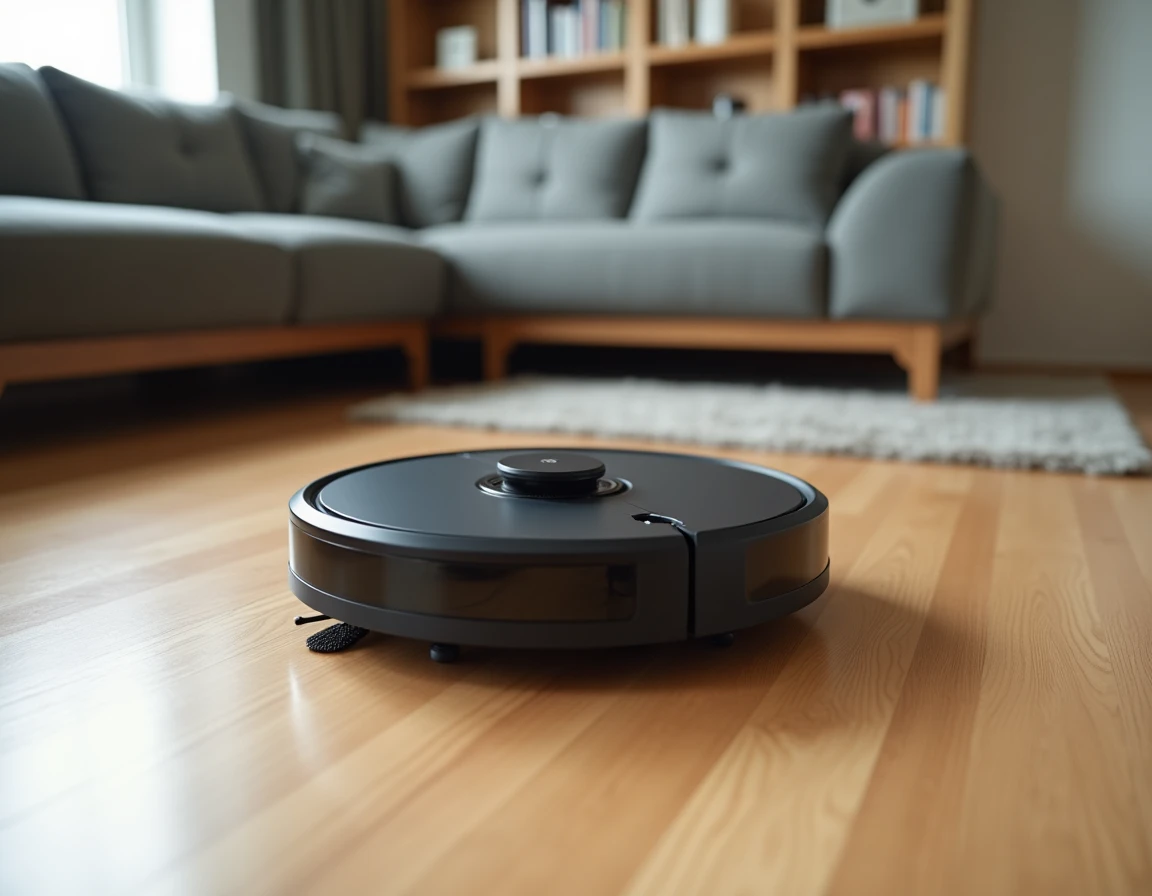
A robot vacuum rated at 5,000 Pa that leaves crumbs on the tile, another at 3,000 Pa that cleans a hardwood floor perfectly with cat hair: we’ve all seen this kind of contradictory result. The suction power in pascals is the figure that manufacturers highlight, but it only tells part of the story.
Understanding what the PA of a robot vacuum really means helps avoid paying for a marketing figure that does not correspond to actual effectiveness on your floors.
Suction on thick carpets and mixed floors: where Pa shows its limits
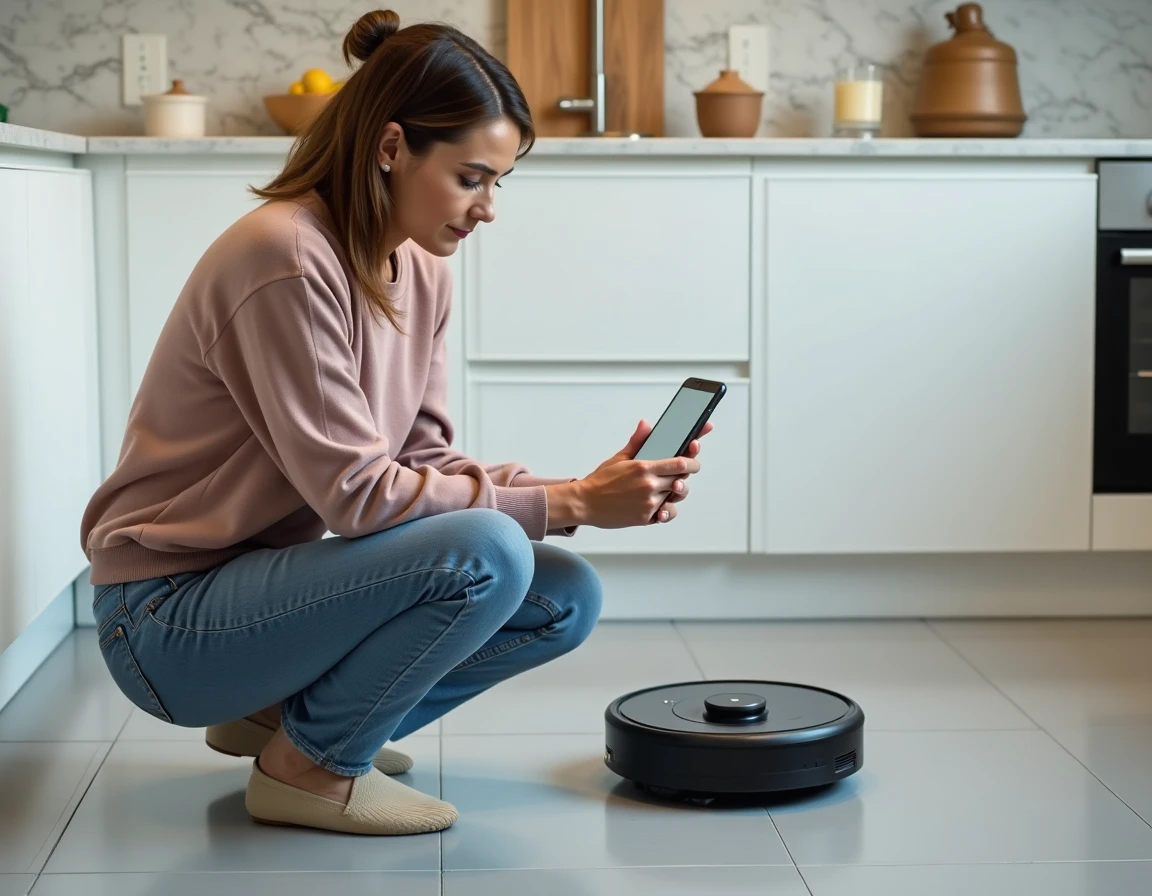
Let’s take a concrete example: a living room with hardwood floors, a Berber rug, and a tiled hallway. The robot moves from one surface to another several times per cycle. On the hardwood, moderate suction is enough to pick up dust and hair. On the rug, the resistance of the fibers requires more power to extract particles trapped deep down.
The number in Pa measures the maximum suction that the motor can generate. But suction alone does not determine what ends up in the bin. The airflow, that is, the volume of air moved per second, also plays a crucial role. A robot with high suction but low airflow will lift dust without effectively directing it to the collector.
On mixed floors, it is the robot’s ability to automatically adjust its power that makes the difference. A model that detects when it is on a rug and increases suction accordingly will perform better than a robot stuck in a single mode, even with a higher Pa figure.
To better understand what Pa means for a robot vacuum, it is important to keep in mind this distinction between raw power and actual cleaning performance.
Pa, watts, and airflow: decoding the technical sheets of robot vacuums
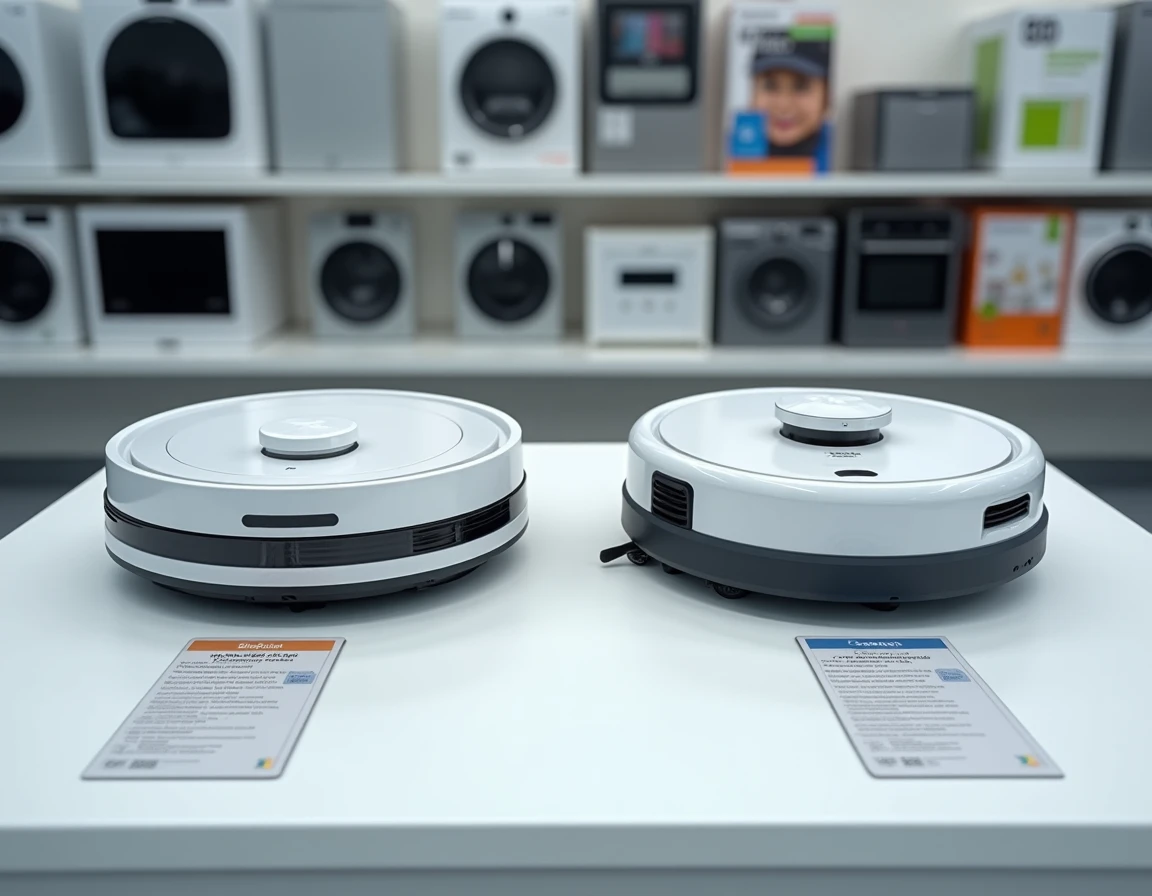
The product sheets mix several units, and the confusion benefits manufacturers. Here is what each measurement really indicates.
- Pascals (Pa) measure the suction force, the robot’s ability to maintain a vacuum between the brush and the floor. The higher the number, the more the robot can theoretically pull out embedded debris.
- Watts indicate the motor’s consumption, not the power delivered to suction. A motor that consumes a lot may lose energy as heat or friction.
- Airflow (expressed in liters per minute) reflects the actual volume being sucked in. It is this flow that carries the dust to the bin. A high airflow often compensates for average suction.
In practice, airflow is not always found on the technical sheets of consumer robot vacuums. Manufacturers prefer to display the Pa, a figure that is easier to compare. When airflow is absent, look at the collection rate tests on different surfaces: this is the most reliable indicator of actual performance.
The trap of raw comparison between models
Comparing two robots solely on their Pa is like comparing two cars based on their horsepower without looking at weight, transmission, or tires. The airtightness of the air circuit, the shape of the main brush, and the robot’s height relative to the floor directly influence the result. A well-designed robot with moderate suction can outperform a high-power model with a leaky circuit or a brush that is not suited for pet hair.
Choosing power based on housing type and real constraints
Rather than aiming for the highest Pa figure, it is better to reason based on the terrain constraints. Three situations frequently arise.
Apartment with hard floors and no pets
On tile or smooth hardwood, dust rests on the surface. Modest suction is more than sufficient for daily cleaning. The priority criterion here is navigation and complete coverage of the space, not raw power. A robot that can go everywhere cleans better than a powerful robot that misses areas.
House with carpets and rugs
The fibers trap dust, mites, and debris. Higher suction is needed, combined with a rotating brush capable of agitating the fibers. The automatic power adjustment on carpets becomes a decisive selection criterion. Without this function, the robot cleans the carpet at the same level as the hardwood, leaving some particles trapped deep down.
Household with pets
Cat or dog hair poses a specific problem: it wraps around the brushes and clogs the filters. The design of the brush matters as much as the Pa. Tangle-free rubber brushes prevent blockages better than a traditional bristle brush, even if the latter is mounted on a more powerful motor. A good filter (HEPA type or equivalent) captures allergens instead of redistributing them into the air.
Suction power and battery life: the trade-off that the sheets do not show
The stronger a robot sucks, the more battery it consumes. A model pushed to the maximum of its Pa will see its autonomy drop significantly. For a large home, this means returning to the base during a cycle, recharging, and then resuming cleaning. The total cleaning time can double.
Recent robots manage this trade-off with variable power modes. The silent or eco mode is sufficient for daily maintenance on hard floors. The maximum mode is reserved for occasional passes on carpets or after a weekend away. Using maximum power systematically also wears out components faster, especially the motor and battery.
The noise level follows the same logic: a robot in maximum mode often exceeds the comfort threshold for daytime use. The difference between eco mode and turbo mode often reaches several perceptible decibels.
When choosing, ask the question differently. Instead of looking for the robot with the most Pa, identify the dominant floor type in your home, whether or not you have pets, and the area to be covered. A robot vacuum well-suited to these three parameters will clean better than an ultra-powerful model poorly calibrated for your home.