A broken toaster doesn’t always end up in electronic recycling: more often than not, it settles in a corner of the kitchen, a silent remnant of past use. Worn-out clothes follow the same trajectory, heading to the trash, while a large part could be repaired, transformed, extended. Despite the encouragement to give a new life to objects, the majority of goods thrown away each year could have continued their journey elsewhere.
Reintroducing what we own into circulation is not just an ecological concern. Everywhere, local initiatives and online platforms are stepping in, proving that recovery is becoming part of daily life and providing concrete answers.
Why our everyday objects deserve a second chance
The fate of our objects is thought-provoking. Every year, France sends mountains of goods to landfills, even though they retain intact potential. Extending the lifespan of what we own means less demand on natural resources and adopting a clear-sighted stance: that of a circular economy, rooted in longevity. Recycling is no longer just a matter of technique or sorting: it is a collective response, a way to act to limit waste and regain control over our environmental impact.
Practices like upcycling or creative recycling are emerging as tangible responses. Giving a second chance to an object means inventing a new role for it, valuing its materials and sometimes revealing its hidden story. This movement, driven by actors like C Nouveau, encourages everyone to engage in the circular economy by diverting objects from their announced end. When objects are reborn, it is another step towards ecological transition.
Behind this gesture, nothing is trivial. Choosing reuse is to act on an individual scale to reduce the flow of waste and encourage more sustainable consumption patterns. “Zero waste” is not just a slogan, but takes shape in repeated actions: sorting, repairing, transforming, passing on. Giving objects a new utility also creates connections between what was and what will be.
What simple ideas can transform what you already own?
Recycling starts with a different perspective. The potential of objects becomes evident as soon as we dare to transform them. No need to be a DIY expert: recovery is accessible to everyone, driven by simple ideas to implement. A torn pair of jeans? It finds a new life as a decorative cushion or a sturdy pouch. Cans leave the kitchen to line up on the desk, becoming pencil holders or small vases for cuttings.
Here are some concrete ideas to breathe new life into your objects:
- Plastic bottles can be cut and dressed in bright colors: they become flower pots or hanging storage, perfect for organizing an entryway or balcony.
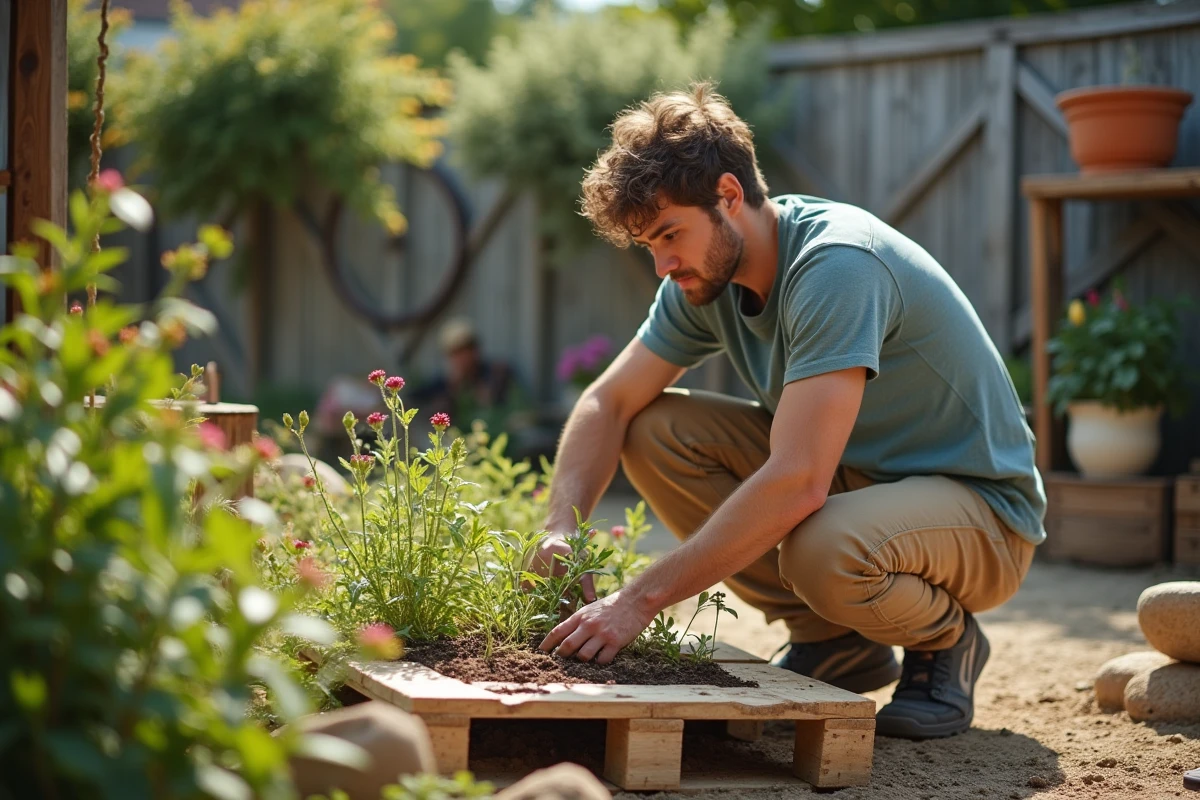
- Wooden pallets change function to become coffee tables, modular shelves, or sturdy plant stands.
- Forgotten metal hangers find their place as original magazine racks or airy mobiles in children’s rooms.
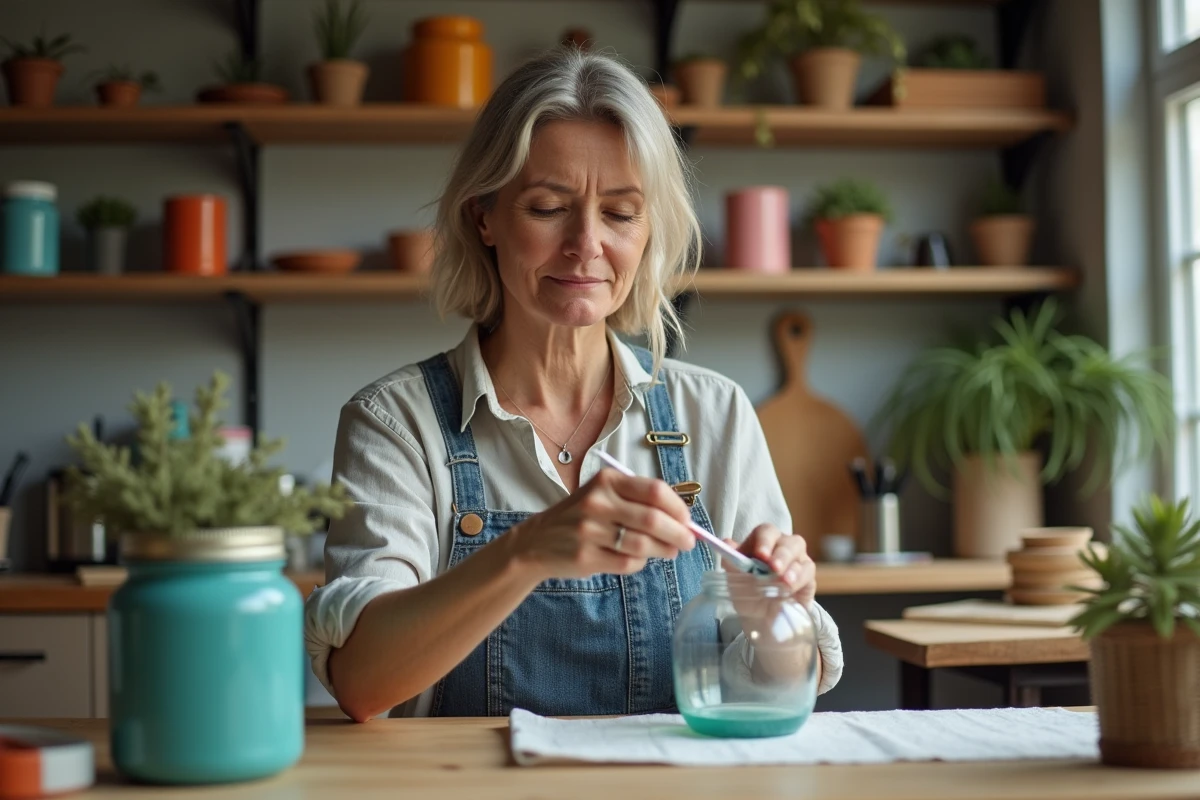
Paint and paper multiply the possibilities. A brushstroke, a collage, and voilà, an object transformed. Cereal boxes become clever organizers for drawers. As for plastic, metal, or glass, they come together in creations that combine aesthetics and utility. Giving these materials a new purpose also slows down waste production and rediscovers the creativity of reuse.
Create, divert, assemble: recovery is part of the present, where each reinvented object continues its story.
Practical tips for getting started with recovery and upcycling at home
It all starts with careful sorting. Looking at your belongings with fresh eyes is already the first step. Before throwing something away, ask yourself: could this object serve another purpose? Reuse here extends the life of materials and limits pressure on resources. Several municipalities now offer collection points to encourage recovery and give a second chance to objects that have left the traditional circuit.
Take inventory: worn clothes, empty containers, tired small furniture… Second-hand starts at home. A wobbly stool becomes a plant holder, a worn t-shirt is repurposed as a rag. Every action contributes to limiting waste, supporting the circular economy, and combating plastic pollution.
To move forward easily, it’s better to have a clear organization:
- Sort regularly to identify what can be recycled or repurposed.
- Locate nearby collection points for materials that cannot be transformed at home.
- Favor solid and adaptable materials, ideal for design upcycling.
- Participate in workshops or events dedicated to creative recycling, which are popping up all over France.
Thinking about the function, aesthetics, and new life we can offer to these objects is at the heart of the approach. Upcycling is not just about reducing waste: it is a way to invent new uses, sometimes unexpected, that enrich our daily lives and open the door to other possibilities.
Giving a second chance to our objects means transforming the ordinary into a testing ground. And what if, tomorrow, every object that crosses our path carried the promise of a new beginning?